
If Quantum Computers Existed Today, Which Famous Hacks Would’ve Been Prevented?
Most historic cyber breaches did not fail because encryption was weak. By analyzing famous hacks through the lens of quantum computing, this piece explores what quantum security actually changes and what it doesn’t.
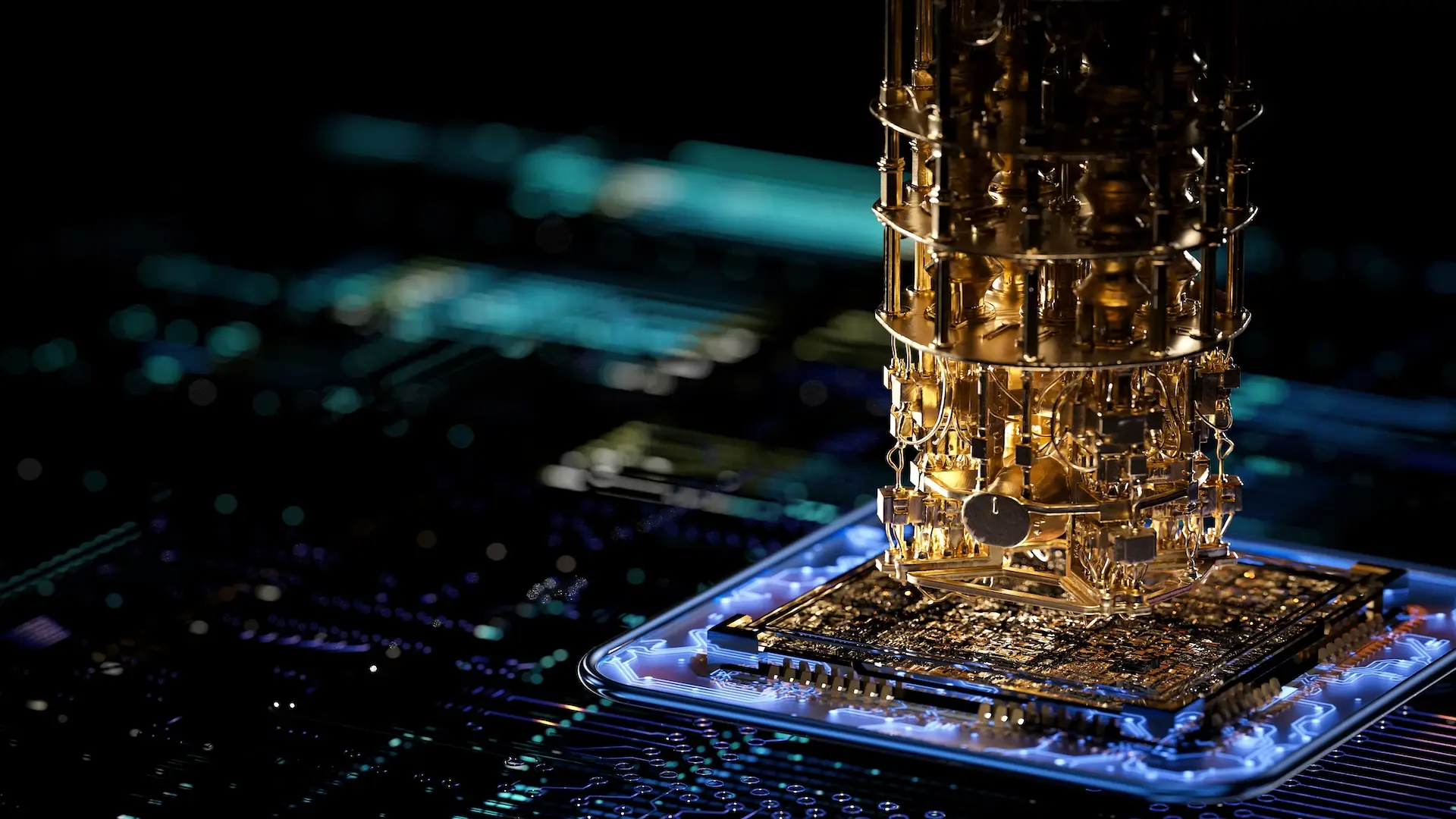
The rise of quantum computing has reignited an old fear in cybersecurity: the collapse of modern encryption. Popular discourse often frames quantum machines as a sudden apocalypse, an event that will instantly render the internet insecure and expose every secret ever protected by cryptography. While this framing is dramatic, it is also misleading. Encryption has rarely been the weakest link in major security failures. The more uncomfortable truth is that most large-scale breaches occurred not because cryptography failed, but because humans, systems, and institutions did.
To understand what quantum computers would truly change, it is useful to revisit history. If cryptographically relevant quantum computers existed today, would the most infamous hacks of the past two decades have been avoided? Or would they have unfolded almost exactly as they did?
The answer reveals far more about our security assumptions than about quantum technology itself.
Consider the breach at Equifax. The incident exposed the personal data of over 140 million individuals, not because attackers cracked encryption, but because a known vulnerability in Apache Struts went unpatched. Once attackers gained access to internal systems, encryption ceased to be a meaningful barrier. Even if Equifax had been using post-quantum cryptography, the outcome would have been the same. Quantum computers do not accelerate patch management, nor do they compensate for institutional inertia. The failure here was procedural, not mathematical.
A similar pattern emerges in the case of the SolarWinds attack. This breach is often cited as one of the most sophisticated cyber operations ever executed, yet it did not rely on breaking cryptography. Instead, attackers compromised the software build process itself, injecting malicious code into trusted updates that were cryptographically signed and widely distributed. Stronger cryptography, even quantum-resistant schemes would not have prevented this attack. The trust model was broken upstream, long before encryption came into play. Quantum computers do not fix compromised trust anchors; they merely operate within them.
The LastPass breach offers a more nuanced case. Here, attackers accessed encrypted vault backups and metadata. While the encryption itself largely held, the incident created a long-term risk: data that is secure today may not remain secure indefinitely. If quantum computers capable of breaking legacy public-key encryption emerge in the future, encrypted archives stolen today could become readable tomorrow. In this case, quantum-safe cryptography would not have prevented the breach, but it could have reduced the long-term impact. The failure was not encryption per se, but an overreliance on it as a permanent shield.
Other high-profile incidents, such as the Sony Pictures attack, further reinforce this pattern. That breach was driven by credential compromise and insider-level access. Once attackers authenticated as trusted users, encryption provided little resistance. Quantum computing would not have changed the outcome. Identity management, access control, and internal segmentation remain far more decisive than cryptographic strength alone.
Where quantum computing does introduce a fundamentally new risk is in systems that rely directly on public-key cryptography for asset ownership and long-term security guarantees. Blockchain systems are the clearest example. Today, the security of many digital assets depends on the assumption that deriving a private key from a public key is computationally infeasible. A sufficiently powerful quantum computer would invalidate that assumption. This would not retroactively prevent past hacks, but it would enable entirely new attack classes, particularly against long-lived wallets and dormant accounts. In this domain, quantum computing is not a theoretical curiosity, it is an existential design challenge.
Looking across these cases, a consistent conclusion emerges. Most historical breaches would not have been prevented by quantum-resistant cryptography. They failed because of delayed patches, compromised supply chains, weak identity controls, or misplaced trust in infrastructure. Quantum computers do not eliminate these risks. Instead, they expose how often encryption was treated as a substitute for sound security engineering.
The most realistic quantum-era threat is not an attacker actively breaking systems in real time, but a quieter strategy known as “harvest now, decrypt later.” Encrypted data intercepted today—diplomatic communications, health records, financial histories, may remain unreadable for years. But once quantum decryption becomes viable, the damage will already be done. The breach occurs in the future, but the data loss happens now.
Ultimately, quantum computing should be understood less as a villain and more as a stress test. It forces security systems to confront an uncomfortable reality: mathematics alone was never enough. Trust models fail, keys leak, systems rot, and humans make mistakes. Quantum technology does not introduce insecurity, it removes the illusion that our current security guarantees were permanent.
If quantum computers existed today, most famous hacks would still have happened. A few would have become more dangerous. And many assumptions we quietly rely on would collapse faster than expected. The organizations that endure the quantum era will not be those with the strongest algorithms, but those that design systems assuming trust will fail and plan accordingly.