
Designing a Crypto Analytics Stack on AWS
A robust crypto analytics stack on AWS uses an object store, a lake house layer, a warehouse and a clear semantic model that writers and analysts can rely on.
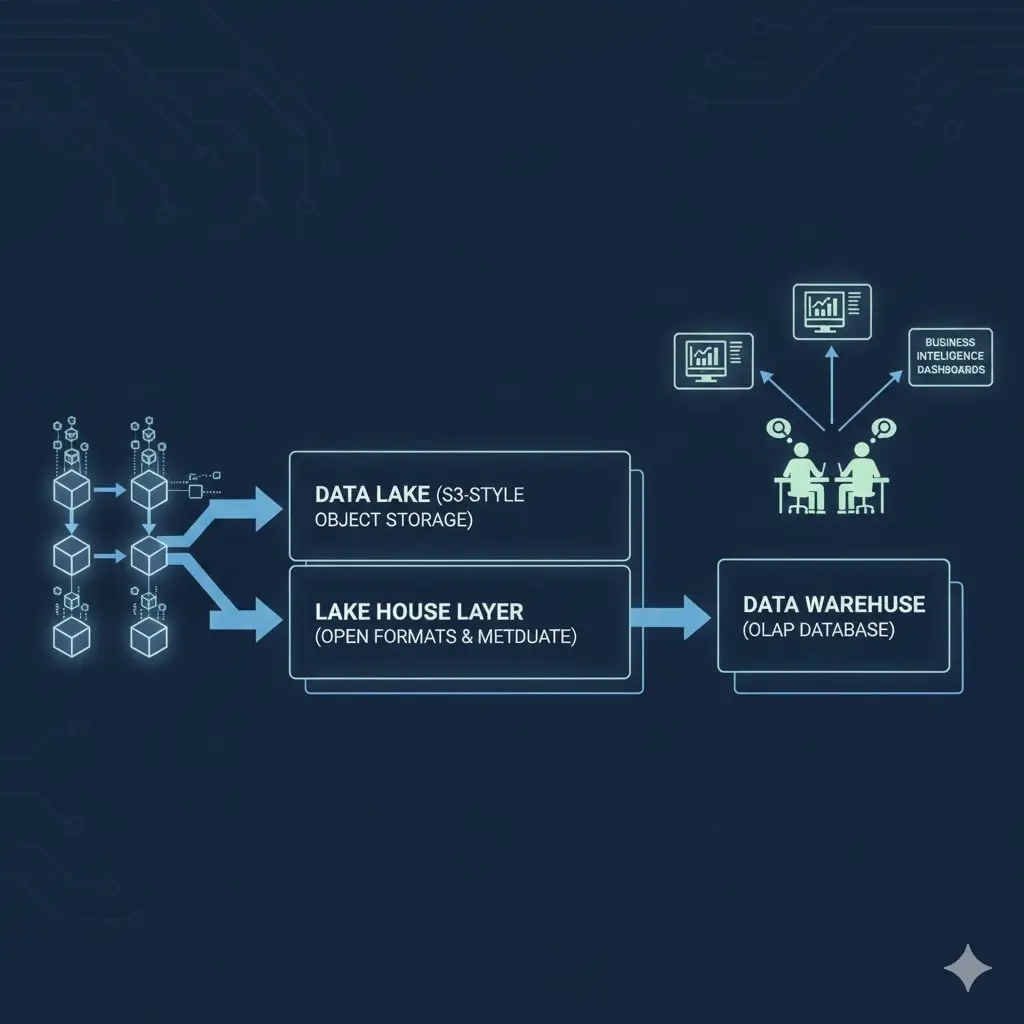
A practical analytics stack for Web3 starts with a reliable data ingestion layer. You can run your own node and decode logs or subscribe to a third party provider that streams normalised events. Either way you should land data into an object store such as S3 before loading it into a warehouse.
From there a lake house style design works well. Use tools like Apache Hudi or Delta Lake on top of S3 to manage large append only tables of events. Trino or Spark can query this data directly for heavy analysis while a columnar warehouse like Redshift or ClickHouse can serve dashboards.
For Coinslive style editorial work the most important part is the semantic layer. Define clear models for concepts like protocol revenue, user cohorts and liquidity flows. Expose them through a BI tool or a simple API so that writers can pull accurate numbers without touching raw tables.
The final step is automation. Use event driven jobs with tools like Step Functions or Airflow to keep tables fresh. Monitor data quality with assertions and alerts. When done well this stack turns blockchain noise into a steady stream of trustworthy metrics for research and storytelling.